
Duty, Honor, and Power: Ethical Dilemmas from China and Japan
When is loyalty to those closest to us a virtue, and when does it lead us to excuse injustice? Can a good example hold a society together? What should we do when the law demands one thing and our sense of duty points us in another direction?
The journey begins with Confucius and the question of how our relationships shape our character. Mozi asks what we owe to people beyond our family and community, while Han Fei takes the debate into the realm of government. The final stop is Japan, where the story of the 47 ronin brings honor, loyalty, and the law into conflict. By the end, you’ll return to the opening question and decide where you would draw the line on loyalty.
 1
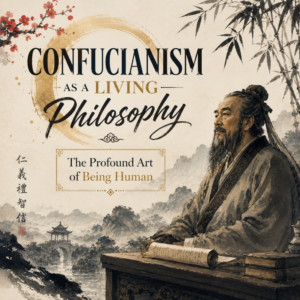
Confucianism as a Living Philosophy: The Profound Art of Being Human
How do everyday relationships shape our character? Explore three ideas at the heart of Confucian ethics: humaneness, ritual, and the judgment to know what is right in a particular situation.
 2
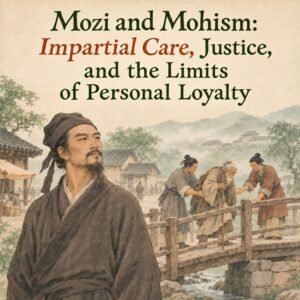
Mozi and Mohism: Impartial Care, Justice, and the Limits of Personal Loyalty
Do we owe more to our loved ones than we do to strangers? Mozi challenges our instinct to favor those closest to us and asks who pays the price for that loyalty.
 3
Han Fei and Chinese Legalism: Law, Power, and the Price of Justice
Can a state rely on the virtue of its rulers? Explore how Han Fei uses rules, rewards, and punishments to maintain order, and consider whether order alone is enough to make a society just.
 4
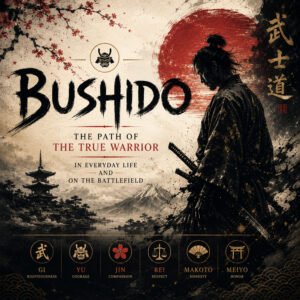
Bushido: The Path of the True Warrior in Everyday Life and on the Battlefield
What does it mean to be a warrior in a time of peace? Trace how samurai ideas about duty changed over time and follow the story of the 47 ronin to the journey’s final question: how far should a person go in the name of loyalty?
Test your knowledge
Answer every question correctly to complete the journey and unlock your badge.
Mark the core articles as read to unlock the test. Supplemental Premium reading is optional.