
COSMOLOGY LIBRARY
Exploring the origin, evolution, and greatest mysteries of the universe.
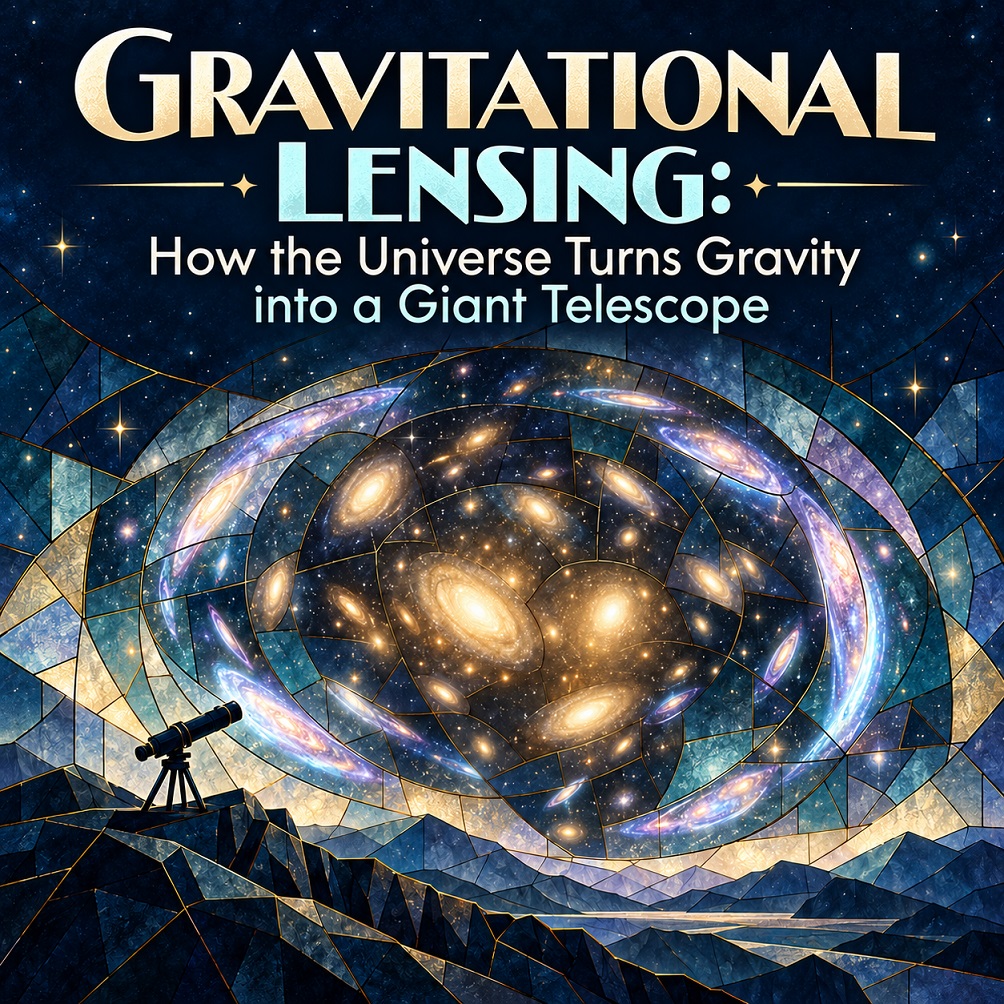
Gravitational Lensing: How the Universe Turns Gravity into a Giant Telescope
When we look at the night sky, we naturally imagine that light from distant stars travels toward us in straight
READ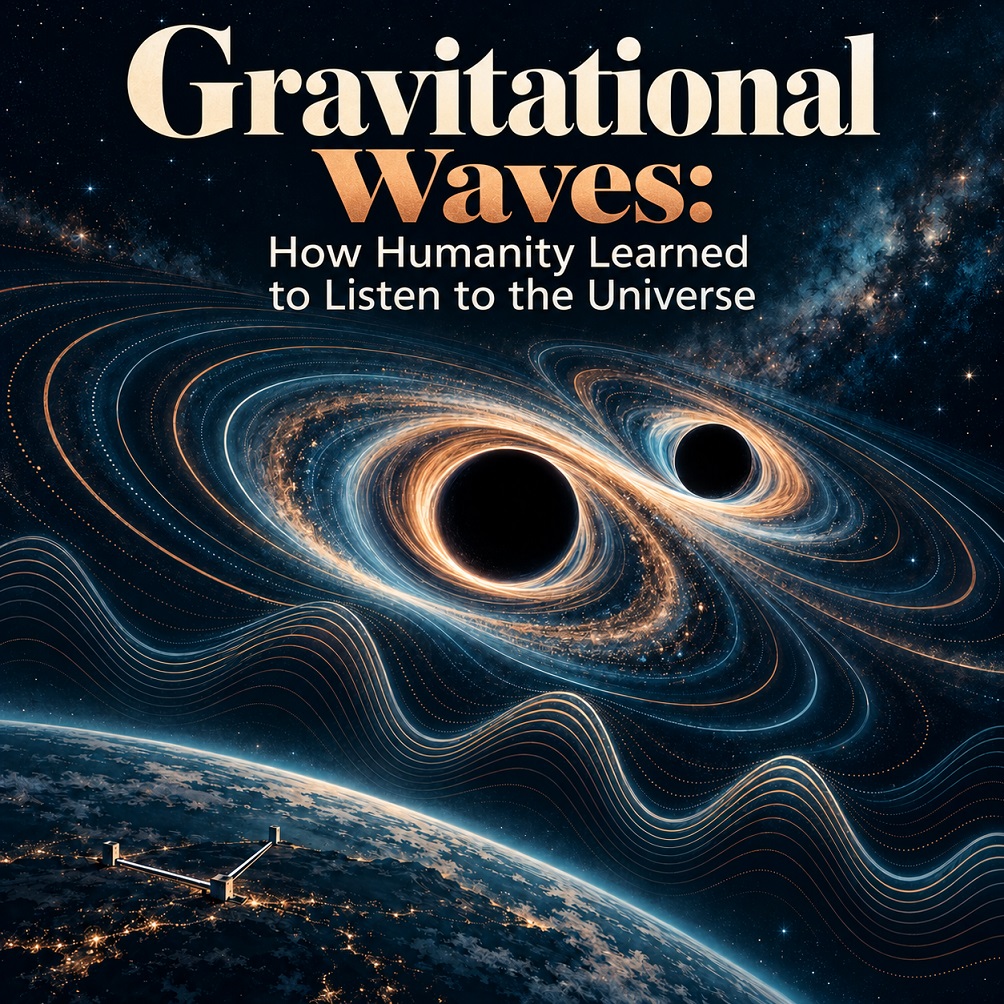
Gravitational Waves: How Humanity Learned to Listen to the Universe
For thousands of years, humanity has studied the cosmos through light. Even when telescopes began detecting radio waves, X-rays, and
READ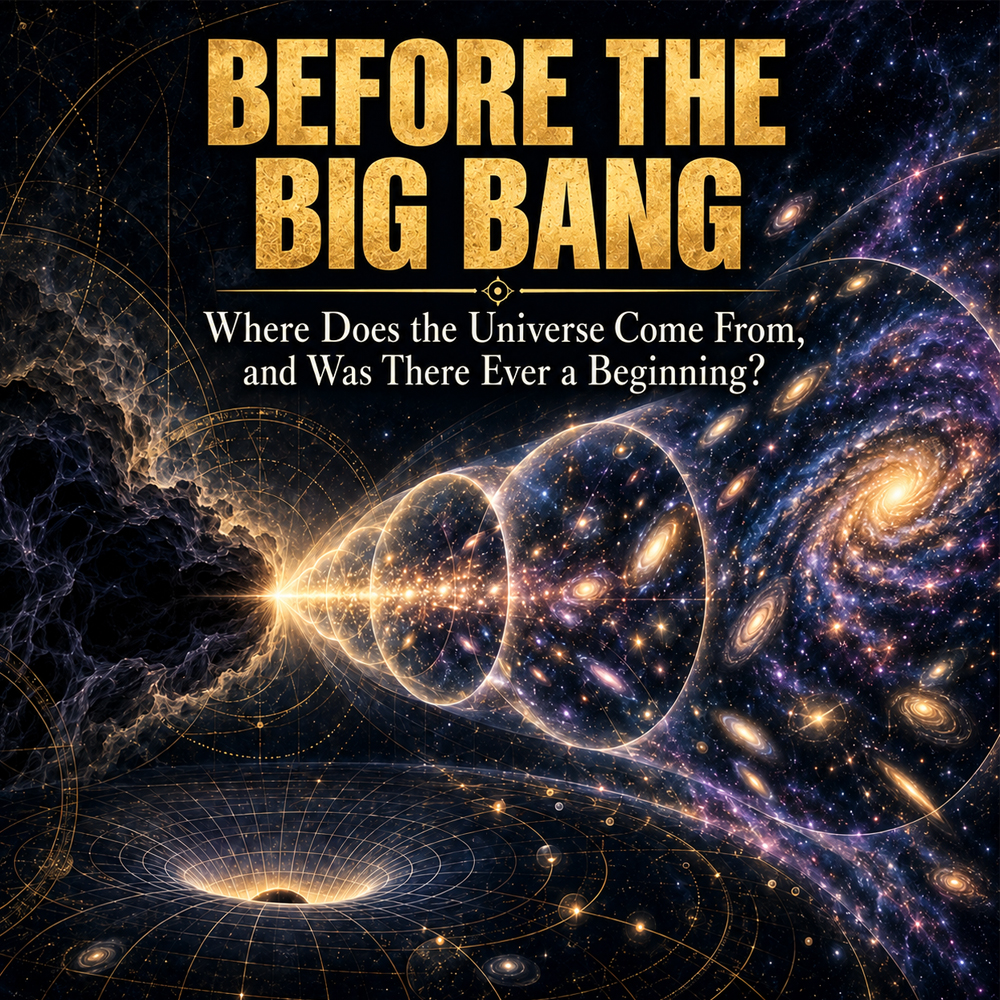
Before the Big Bang – Where Does the Universe Come From, and Was There Ever a Beginning?
Part One: Tracing the First Moment Imagine that you could rewind the history of the Universe. Not as an observer
READ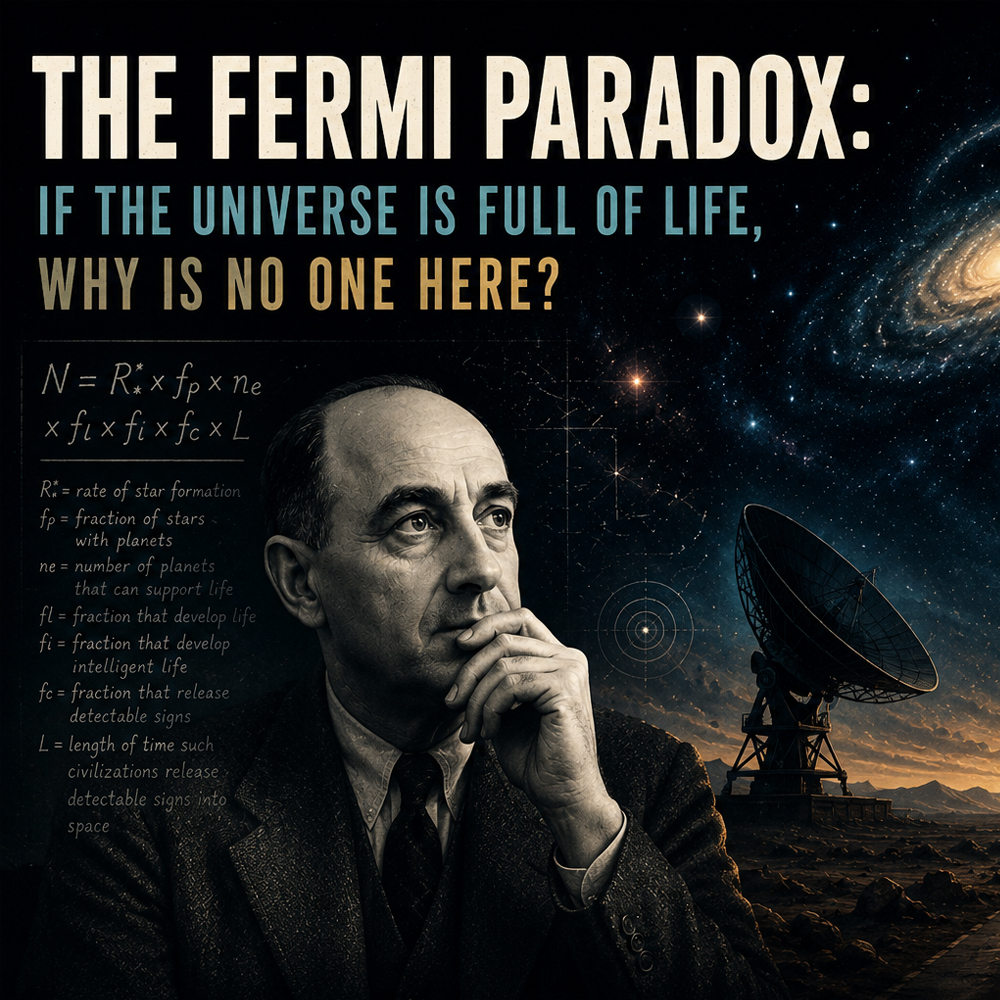
The Fermi Paradox: If the Universe Is Full of Life, Why Is No One Here?
The Quietest Mystery in the Universe Somewhere in the Milky Way, there may be a planet similar to Earth, with
READ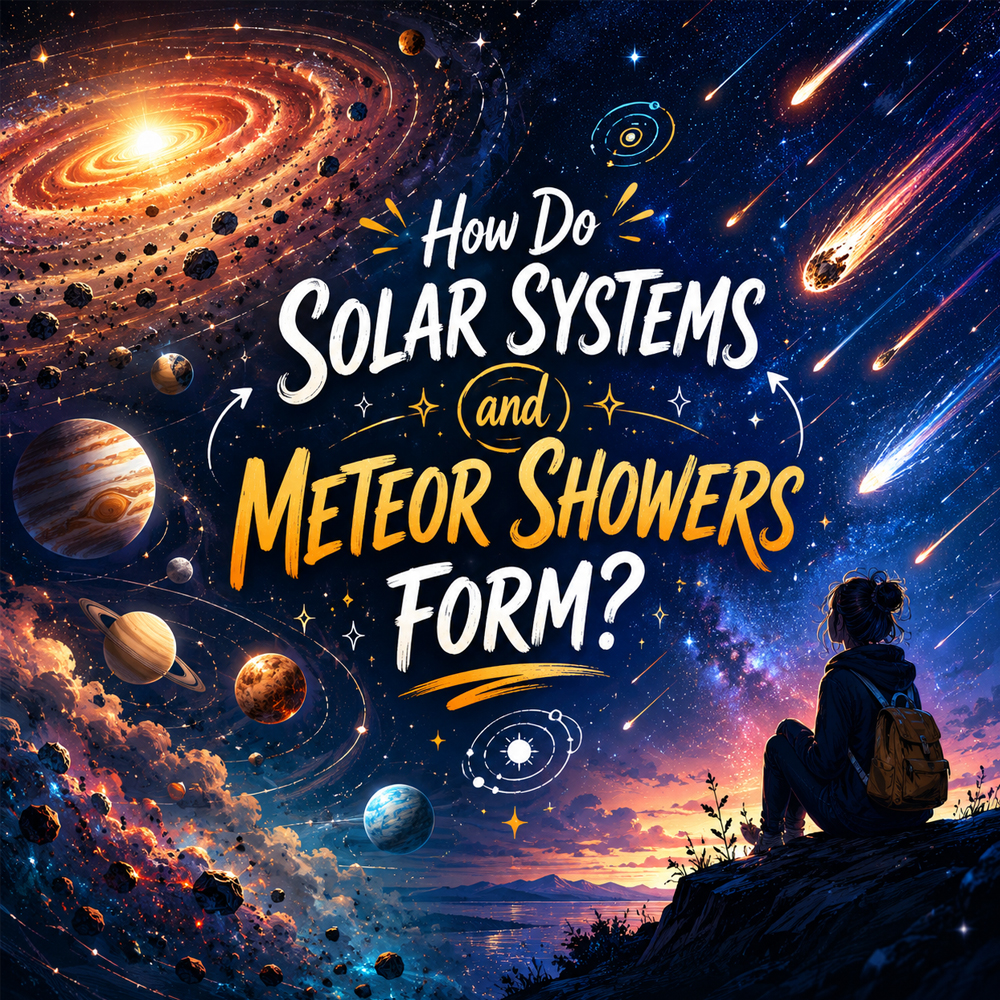
How Do Solar Systems and Meteor Showers Form?
Have you ever seen a “shooting star” streak across the sky in a fraction of a second, leaving a thin
READ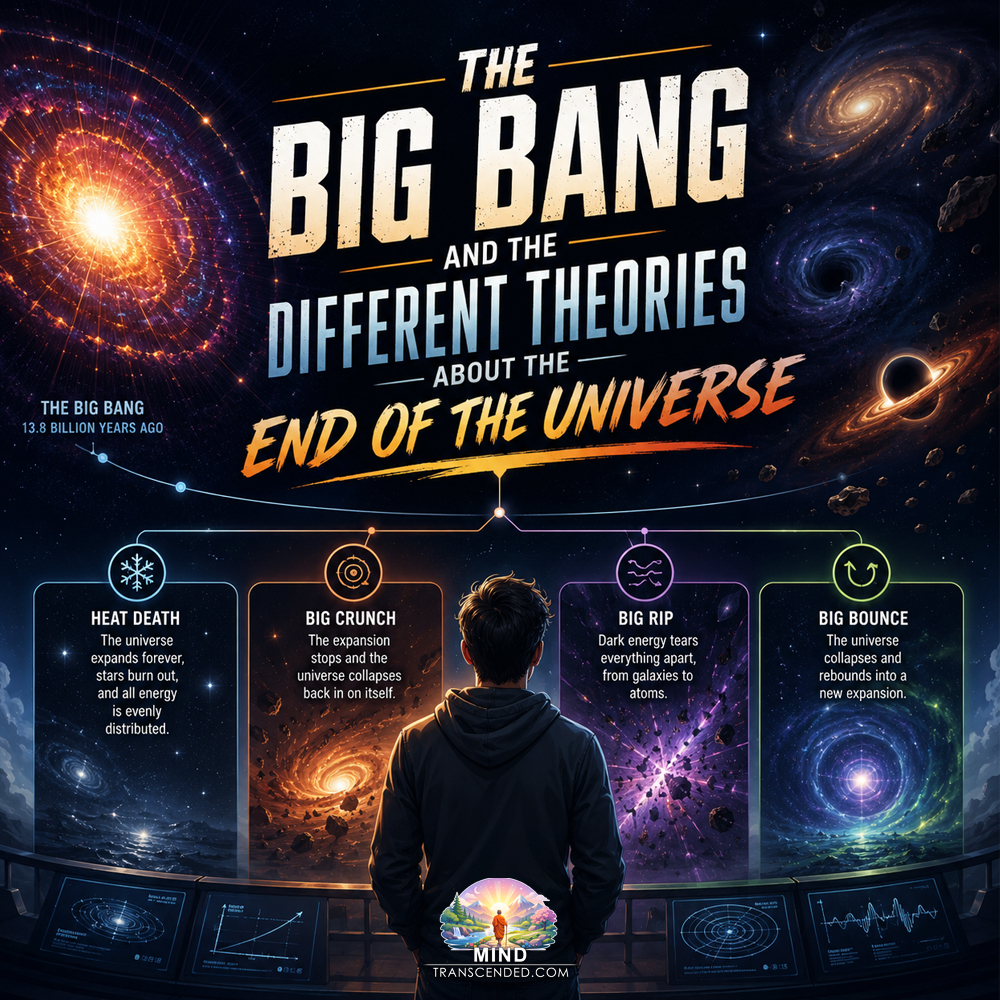
The Big Bang and the Different Theories About the End of the Universe
The Beginning of the Universe and the Big Bang Theory When we talk about the beginning of the Universe, it
READ