RECENT
❖Free Will or Determinism: Do We Have Real Choice According to Physics and Neuroscience?
Every day we make dozens, even hundreds of decisions. What to say, what to do, which direction to take. Some of them are small and almost unnoticeable; others change our lives. And yet we rarely think about something that lies at the foundation of every single one of them – whether we actually have a real choice at all. At first glance, the answer seems obvious. Of course we do…

Why the Brain Searches for Meaning in Everything – The Scientific Explanation
There is something deeply human in standing before chaos and refusing to accept it as the final answer. To look at randomness – in the noise of the city, in the coincidences of everyday life, in the order of numbers – and to feel, almost instinctively, that behind all of it there must be meaning. That things cannot simply be as they are – without reason, without intention, without a message…

How Consciousness Emerged: Why Humans Developed It and What It Means
To ask why consciousness exists is like asking why there is light in the cosmos. We can describe the mechanism, we can measure the energy, but the experience itself – the very “feeling” – remains elusive. And yet, it is precisely this feeling that makes us human. Consciousness is not just a function. It is an experience. It is not only thinking, but awareness that you are thinking. It is not only life, but knowing that you are alive…

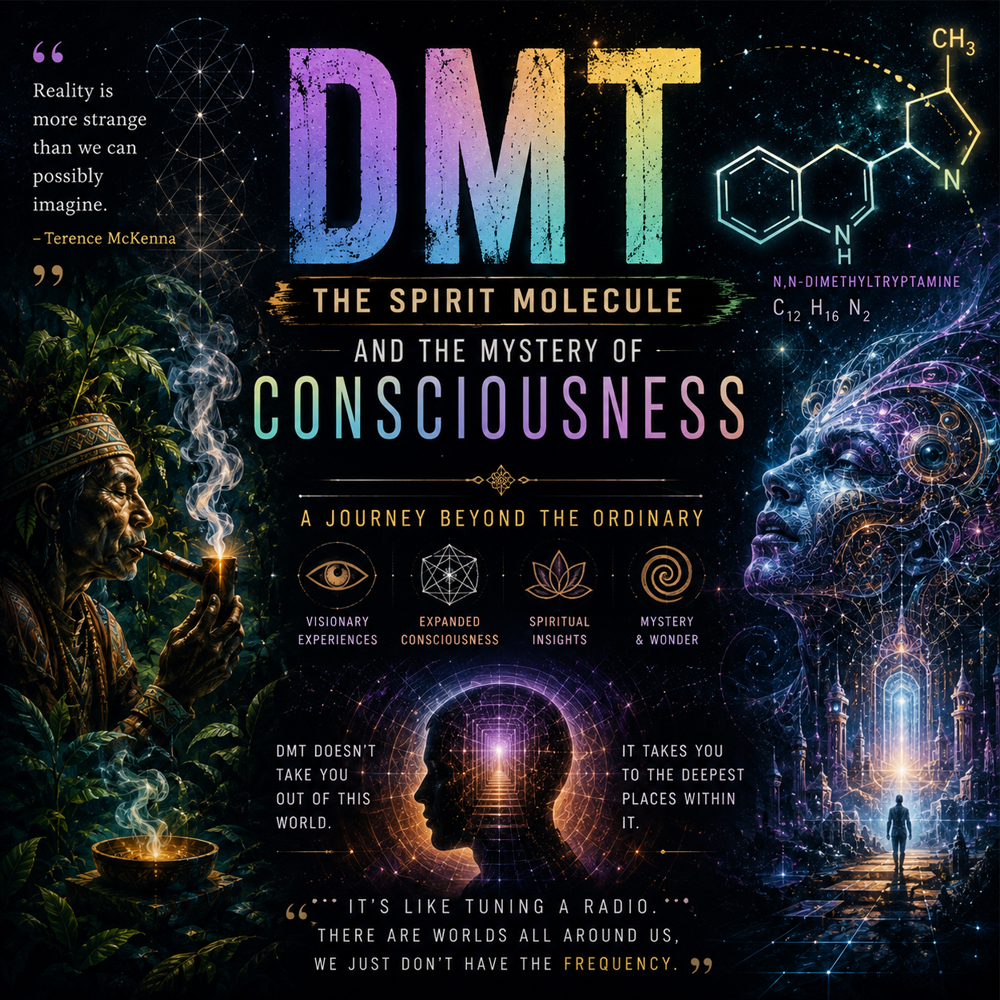
DMT: The Spirit Molecule and the Mystery of Consciousness
The prevailing scientific view of dimethyltryptamine (DMT) describes it as a powerful naturally occurring psychedelic compound belonging to the tryptamine family. DMT is often classified as a natural psychedelic because it can be found in numerous plant species and has also been detected in the bodies of humans and other animals. Although DMT has been identified in human tissues, its precise biological role remains uncertain…

RECOMMENDED
❖How Social Media Changes the Brain: Dopamine, Attention, and the Collapse of the Inner World
The human brain has never in history been exposed to such a constant stream of stimuli as it is today. For hundreds of thousands of years, the human nervous system evolved in a world of relative silence, slow changes, and a limited amount of information. Attention was directed toward immediate survival, nature, human relationships, and the reality unfolding before one’s eyes. Today, however, we live in an era in which attention has become the most valuable currency of the global economy…

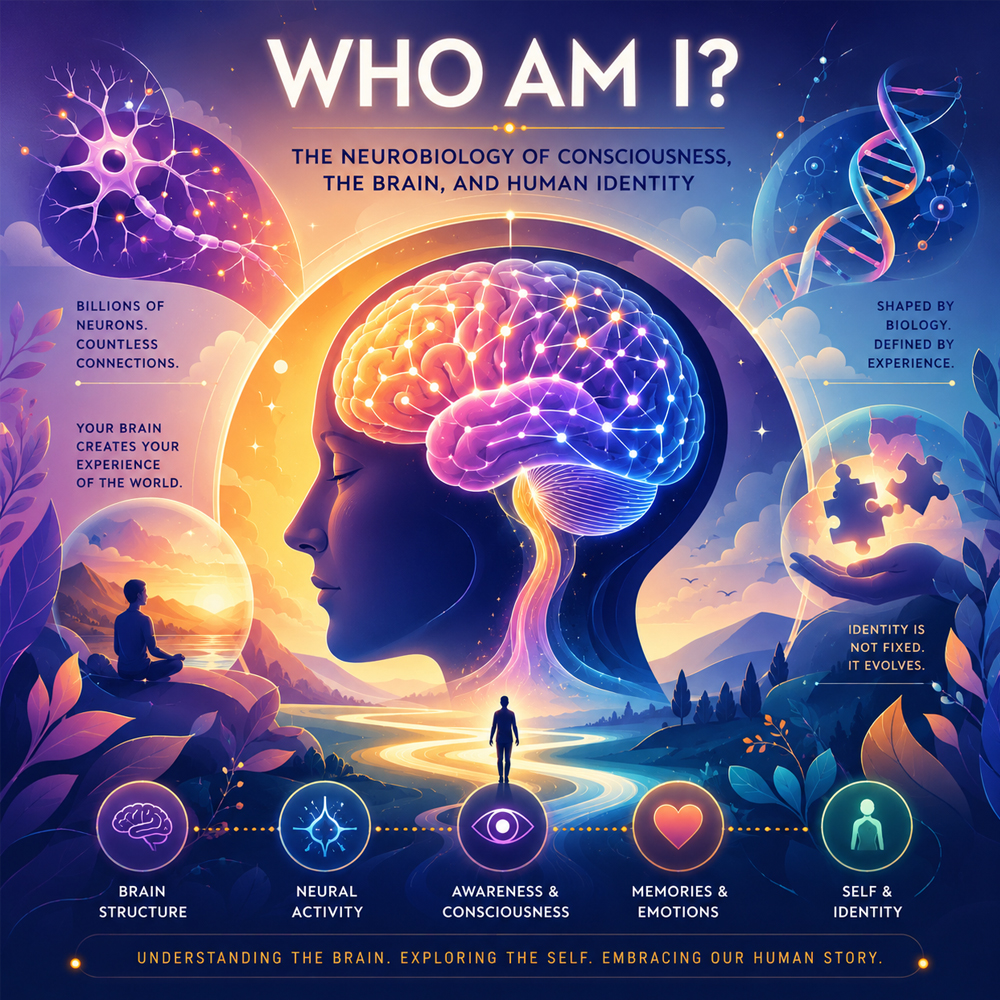
Who Am I? The Neurobiology of Consciousness, the Brain, and Human Identity
The study of the human brain may not be all that different from the study of what we perceive as the “self,” only viewed through a neurobiological lens. At first glance, the definition of the “self” appears vague, because nothing we can identify seems to fully qualify as the self itself. When we experience an emotion, we say, “I feel.” When we speak, we say, “I am speaking.” There always seems to be an “I” in our minds that exists separately from our actions, emotions, and thoughts – or at least that is how it appears to us…

The Truth About Meditation: Scientific Facts, Benefits, and How to Begin
In a world that never stops talking, signaling, demanding, and distracting us, silence has become a rarity. Not just external silence, but that inner silence in which thoughts arrange themselves, emotions calm down, and a person meets themselves. It is there – in this almost forgotten inner territory – that meditation begins. But if decades ago it was perceived as something mystical, exotic, or even incomprehensible to the Western mind, today science is beginning to tell its own story about it…

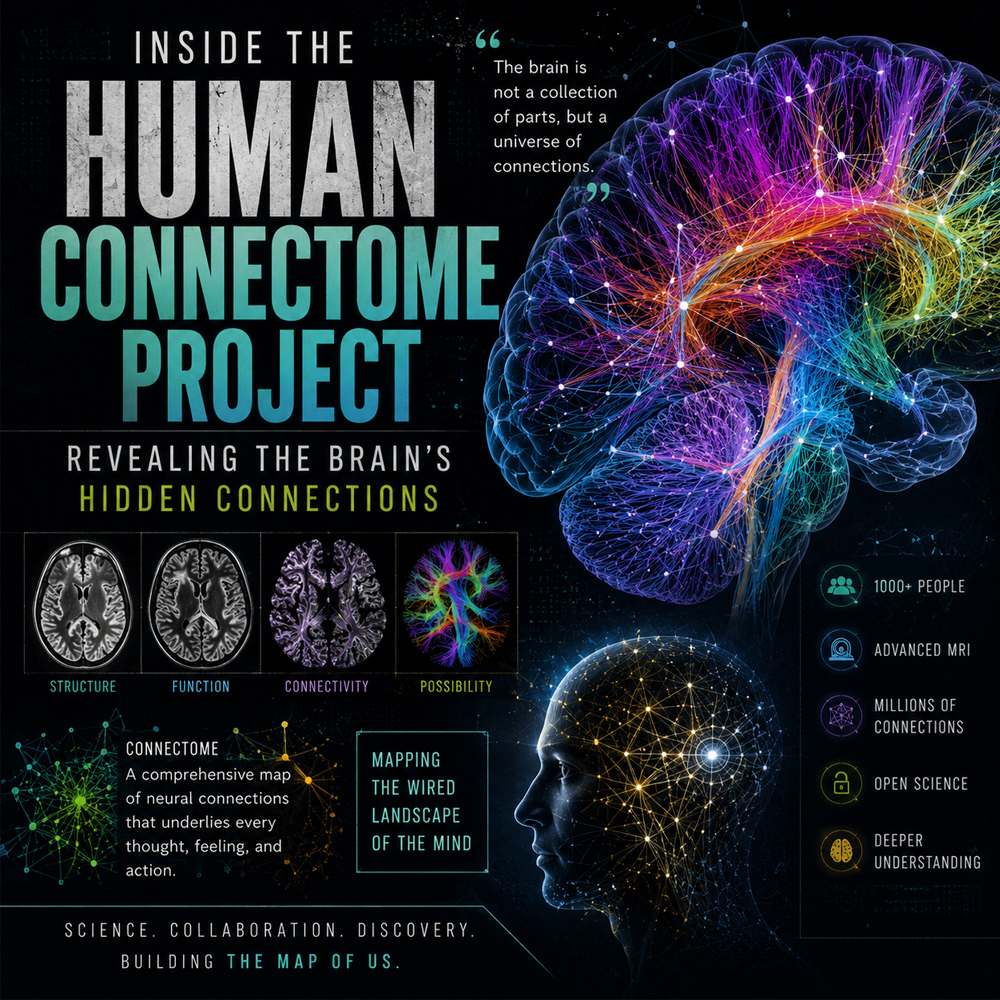
Inside the Human Connectome Project: Revealing the Brain’s Hidden Connections
Brain mapping is an attempt to create a map of the most complex territory known to us: the human brain. Scientists do not want to understand only which parts exist there, such as the frontal lobe, hippocampus, thalamus, cerebellum, and cortex. They also want to understand how these regions communicate, cooperate, and create the extraordinary range of human experience, from memory and emotion to language, creativity, attention, and consciousness itself…