
DAOISM LIBRARY
The path to harmony, simplicity, and living in accordance with the natural flow of the Tao.
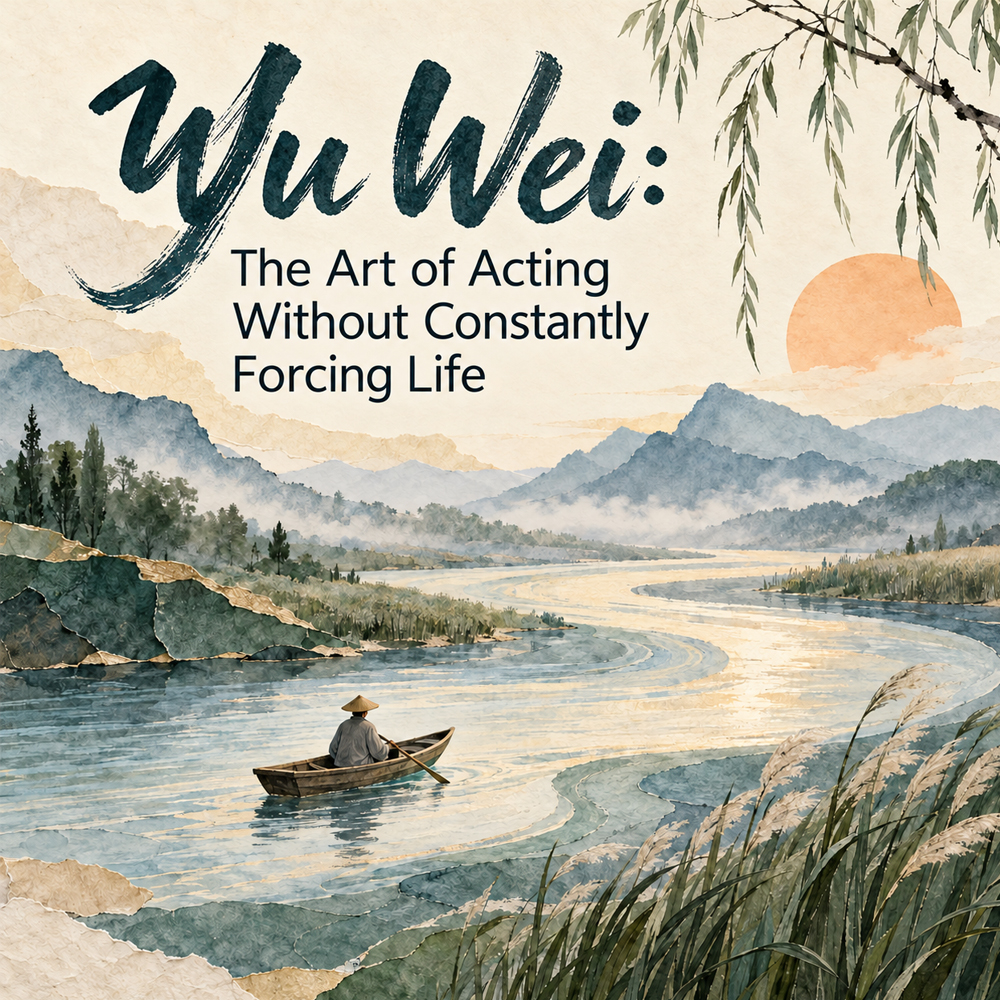
Wu Wei: The Art of Acting Without Constantly Forcing Life
Part one – The Master Who Did Not Struggle Against Life In the spacious hall of an ancient Chinese court,
READ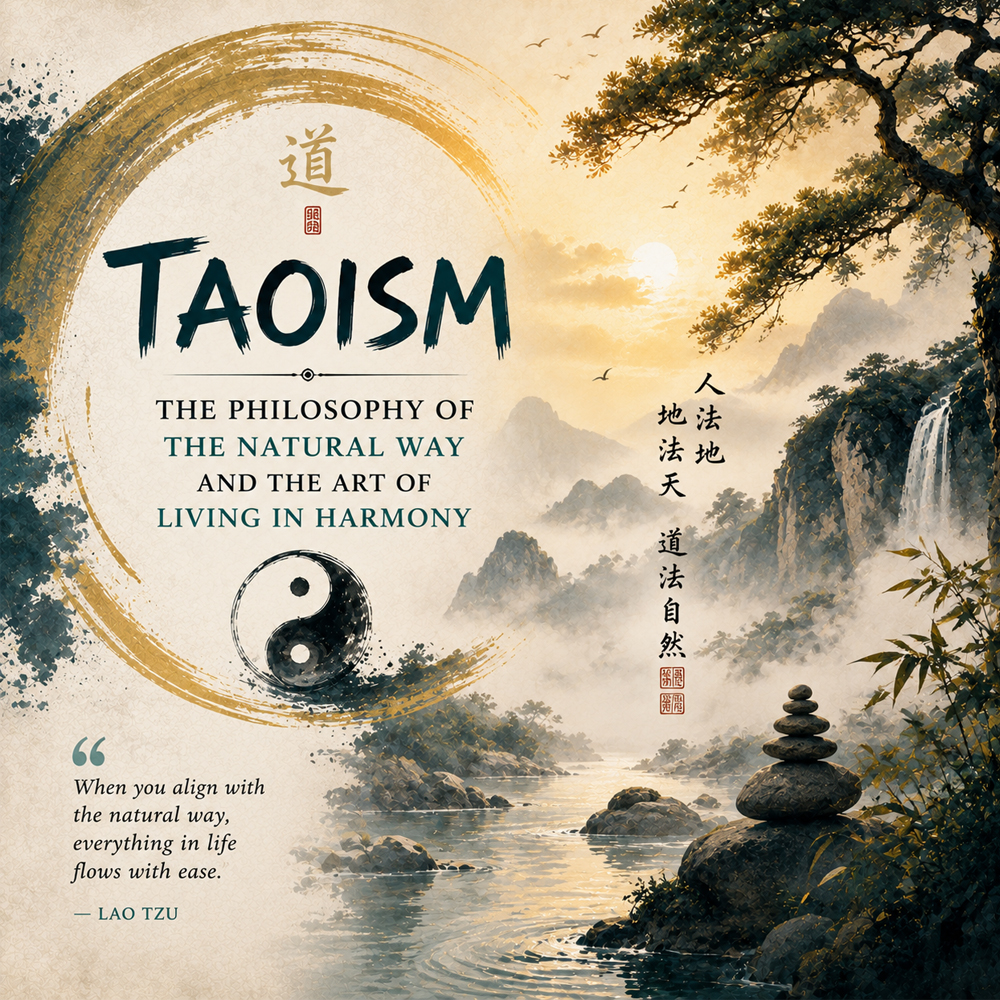
Taoism: The Philosophy of the Natural Way and the Art of Living in Harmony
Introduction: Taoism as a Path Beyond Ordinary Thinking Taoism is one of the deepest spiritual and philosophical traditions in human
READ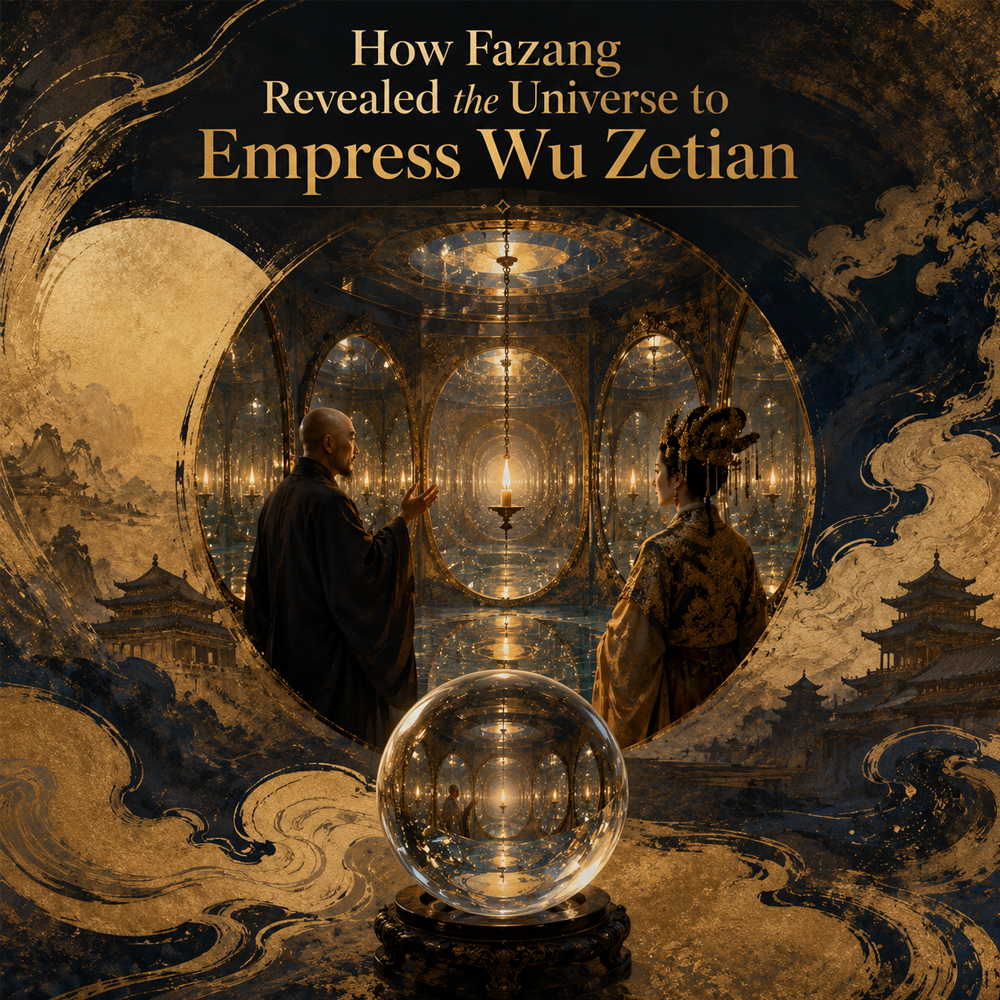
How Fazang Revealed the Universe to Empress Wu Zetian
One day, Empress Wu asked Master Fazang if he could give her a simple and tangible demonstration of the principle
READ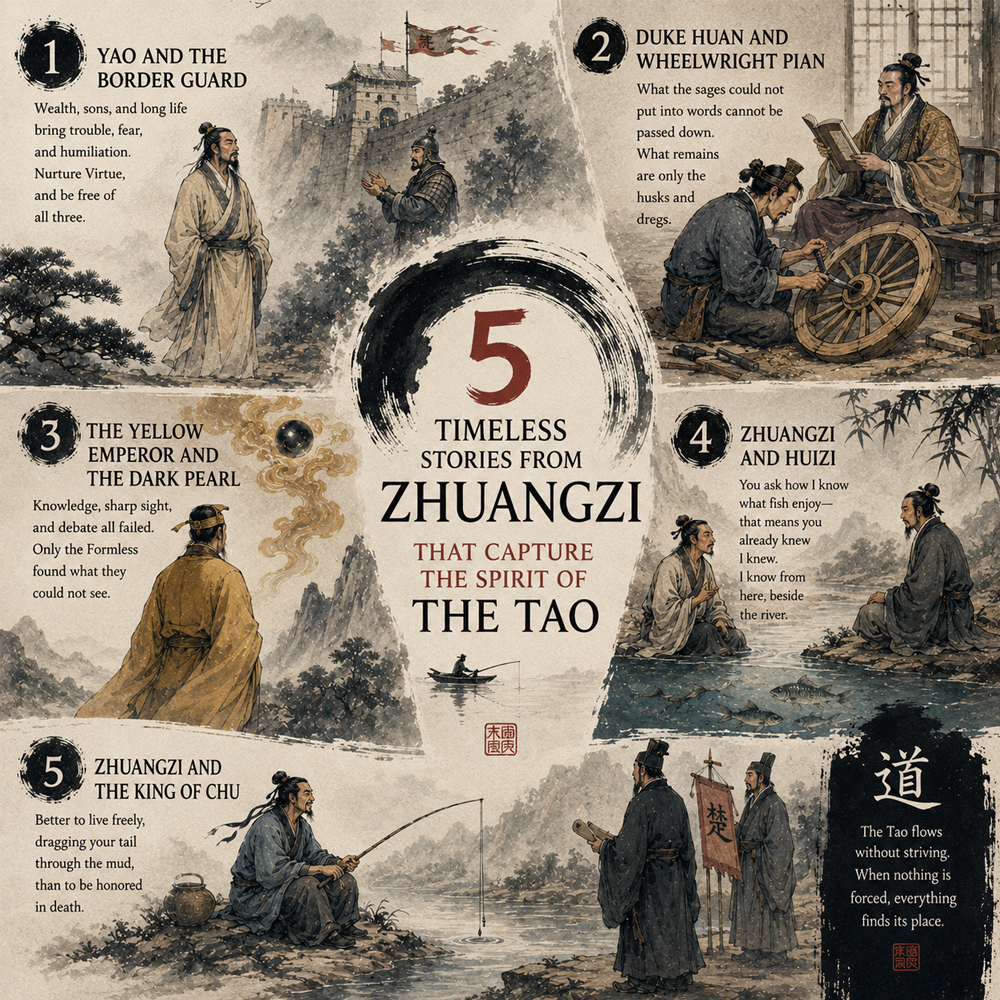
5 Timeless Stories from Zhuangzi that Capture the Spirit of the Tao
Zhuangzi (4th century BC), together with Laozi (6th century BC), is considered one of the founding figures of what we
READ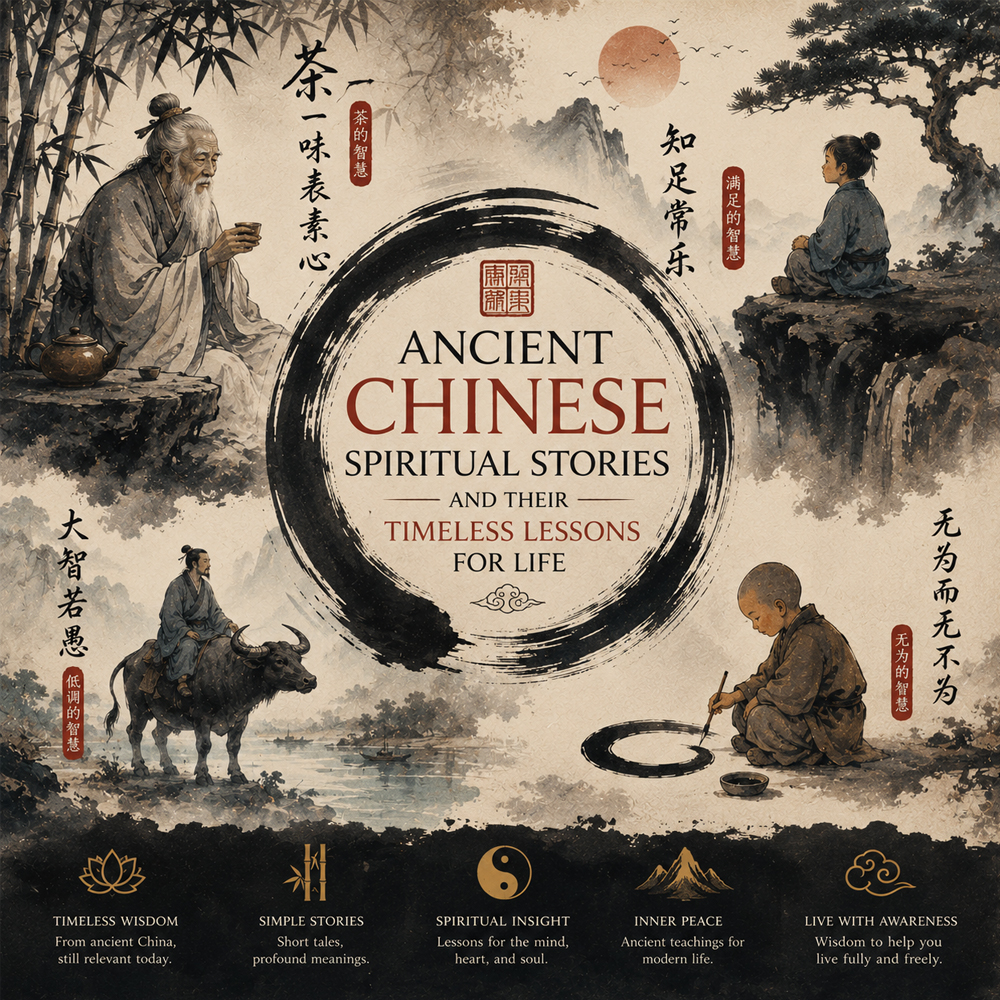
Ancient Chinese Spiritual Stories and Their Timeless Lessons for Life
Chinese spiritual stories are brief in form but vast in meaning. You will rarely find lengthy explanations or complex philosophical
READ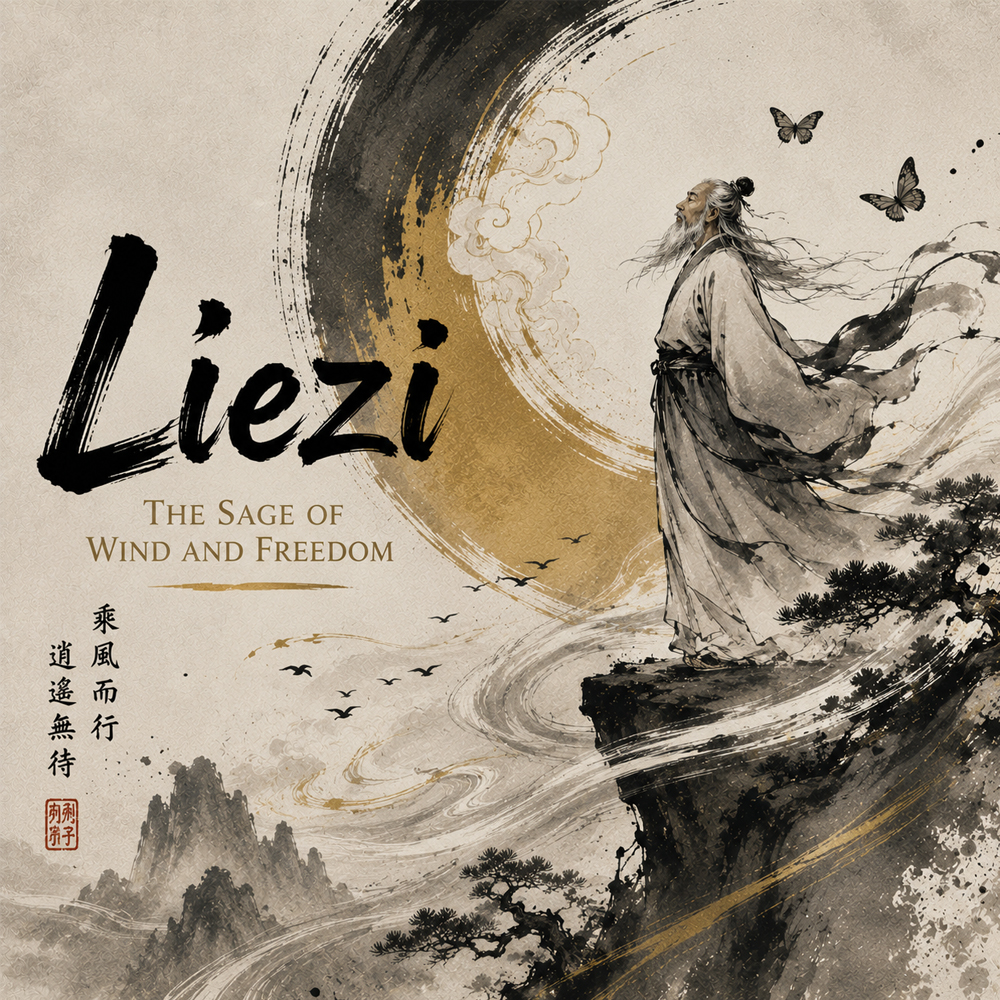
Liezi – The Sage of Wind and Freedom
Introduction to the world of Liezi Among the great figures of Chinese philosophy are names that have become almost mythical.
READ