
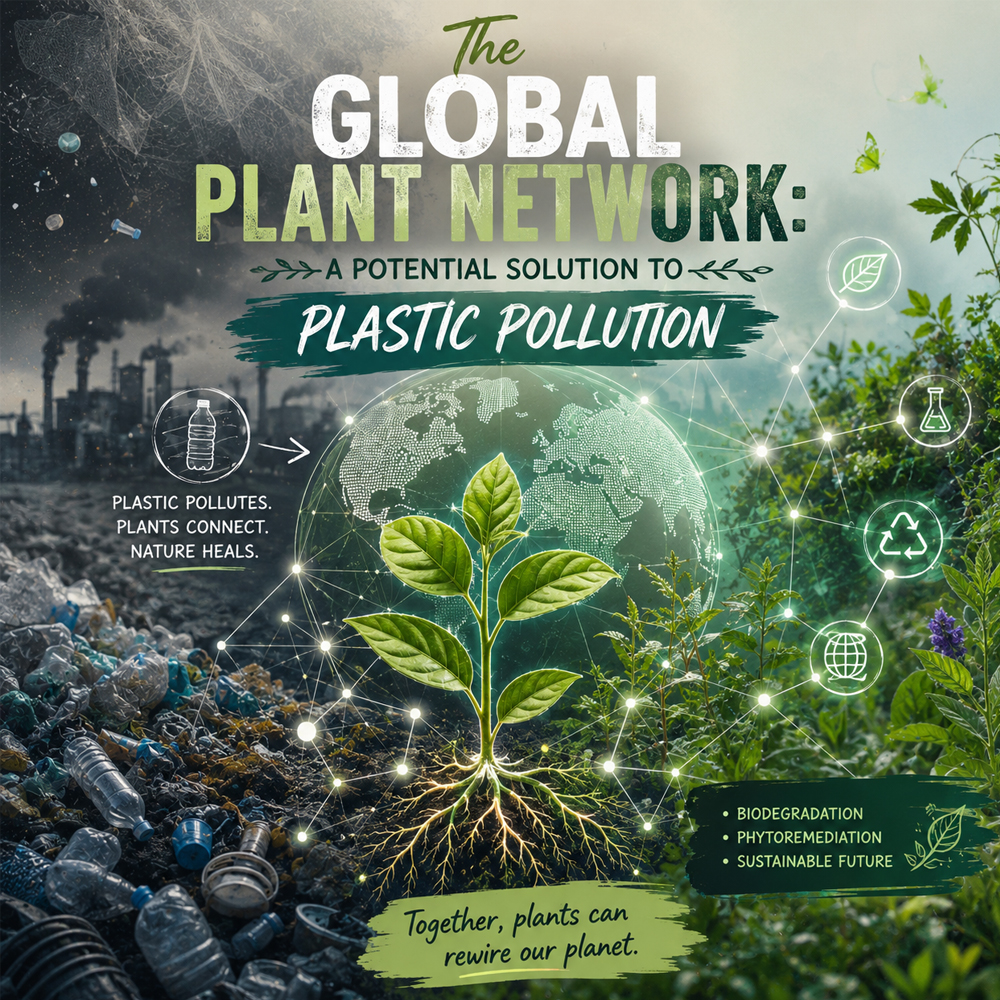
Towards the end of the 20th century, scientists from various fields began investigating vast underground networks connecting plants across distances of hundreds and even thousands of kilometers. Behind every major scientific discovery that transforms our understanding of the world lies a complex explanation that must eventually be distilled into a form people can grasp. At the heart of science is the principle that knowledge should always be traceable back to its source. To truly appreciate the complexity of nature, we must follow that trail ourselves.
And so, our story begins with fungi – our unlikely heroes.
Fungi or Mushrooms?
When we say „mushrooms,“ we usually refer to the visible, macroscopic organisms we encounter during walks through forests and fields. When we say „fungi“ or „molds,“ we often think of microscopic organisms growing on food or damp surfaces.
In reality, mushrooms and microscopic fungi are fundamentally the same type of organism. The difference is primarily one of scale.
These organisms are composed of specialized cells called hyphae – thin, thread-like structures that intertwine to form the body of the fungus, much as our cells form the tissues of our bodies. However, these threads do not stop at the visible mushroom above the ground. They continue spreading through the soil, creating vast underground networks.
Unlike humans, whose bodies are built from many different cell types, fungi are largely composed of hyphae alone. The visible mushroom is only a small reproductive structure emerging from a much larger organism hidden beneath the surface.
The entire network of interconnected hyphae is known as mycelium.
Mycelial networks connect not only fungal organisms but also the roots of approximately 90% of all plant species on Earth. This immense underground system is often referred to as the „Wood Wide Web“ because of its ability to connect entire ecosystems through the soil.
One For All, All For One
The hyphae that make up the mycelium obtain nutrients that plants cannot access on their own. They achieve this by releasing enzymes into the soil that break down organic matter and liberate nutrients such as phosphorus and nitrogen. These nutrients are then transported through the fungal network to plant roots that need them.
In return, plants provide fungi with sugars produced through photosynthesis. Because fungi cannot photosynthesize, they depend on plants as a source of energy.
The relationship goes far beyond a simple exchange of nutrients. Plants can also transfer resources to one another through these underground fungal networks. Even more remarkably, they can exchange warning signals.
For example, when herbivores such as giraffes begin feeding on a tree, the tree may produce defensive chemicals that make its leaves less appealing. Evidence suggests that warning signals can travel through interconnected root and fungal networks, allowing neighboring plants to prepare their own defenses before the threat reaches them.
As a result, animals may be forced to travel considerable distances before finding plants that have not yet activated their protective responses.
The network also allows larger, well-established trees to support younger plants growing in shaded environments. Through these fungal connections, carbon, nutrients, and water can be redistributed to organisms that need them most.
Beneath our feet exists a vast living system functioning in a remarkably coordinated way. In some respects, it resembles a giant organism. Just as trillions of cells within the human body work together to maintain the whole, forests consist of countless plants, trees, fungi, and microorganisms interacting in ways that benefit the broader ecosystem.
Scientists estimate that mycorrhizal partnerships between fungi and plants first appeared more than 400 million years ago and may have played a crucial role in enabling plants to colonize land in the first place.
Nature’s Allies Against Plastic Pollution
Around a decade ago, researchers identified several fungal species capable of breaking down polyurethane within a matter of months. Under normal environmental conditions, this type of plastic can persist for decades or even centuries.
Polyurethane is one of the most widely used plastics in the modern world, found in everything from insulation materials and furniture to packaging and consumer products.
This discovery sparked growing scientific interest in the possibility of using fungi to help address one of humanity’s most pressing environmental challenges: plastic pollution in rivers, lakes, seas, and oceans.
The mechanism fungi use to degrade plastic is essentially the same one they use to break down organic matter in soil. They release enzymes that attack chemical bonds, gradually dismantling complex molecular structures into simpler compounds.
Different fungal species produce different enzymes, giving them the ability to break down a wide variety of materials. Some species have demonstrated the capacity to degrade polyurethane, while others show promise in breaking down components of PET plastics, synthetic dyes, petroleum products, and other pollutants.
One particularly fascinating example is the fungus Pestalotiopsis microspora, which can survive by consuming polyurethane even in low-oxygen environments. Other fungi have been found thriving in highly contaminated ecosystems, where they actively metabolize substances previously considered resistant to biological degradation.
Although fungal solutions alone are unlikely to eliminate the global plastic crisis, they may become an important part of future waste-management technologies. Researchers are currently exploring how fungal enzymes can be scaled for industrial use, potentially allowing plastics to be broken down more efficiently and sustainably than conventional methods.
The story of mycelium and plastic-degrading fungi reminds us that some of nature’s most powerful innovations are hidden from view. Beneath forests, fields, and even city parks lies an ancient network that has been refining its survival strategies for hundreds of millions of years. Understanding that network may not only transform our understanding of life on Earth – it may also help us solve some of the greatest environmental challenges of our time.
Author: Vasil Stoyanov